
Proudly occupying the western region of Great Britain, Wales boasts diverse and captivating landscapes, including rugged mountains, lush valleys, and picturesque coastlines. However, the region is not immune to the challenges posed by anthropogenic activities and the effects of climate change, which have cast a shadow on its ecological balance. Wales now stands at a critical crossroads in its battle to preserve its natural treasures. This year, in an impassioned plea, more than 40 wildlife organisations wrote to the Welsh government to warn that the nation has reached its “last chance to save nature.” and that it has become “one of the most nature-depleted countries in the world”.
In 2019, the State of Nature report demonstrated that as much as one in six Welsh species were at risk of extinction, amidst a consistent rate of decline since 1970. While there are clear reasons for this, the priority this week is to ‘Celebrate Nature’s Treasures’ and all that is done in support of them, but we have included a link to the report if you’d like to dive deeper. It is worth focussing on the fact that despite the gravity of our situation, a profound commitment to conservation and environmental stewardship continues to unfold. Conservation projects have emerged as vital instruments in safeguarding Wales’ unique biodiversity and natural heritage. Through these initiatives, efforts are directed towards protecting native flora and fauna, restoring ecosystems, and mitigating the impacts of human-induced pressures on the environment. These projects play a pivotal role in maintaining ecological balance, preserving fragile habitats, and ensuring the sustainable coexistence of both nature and communities throughout Wales.
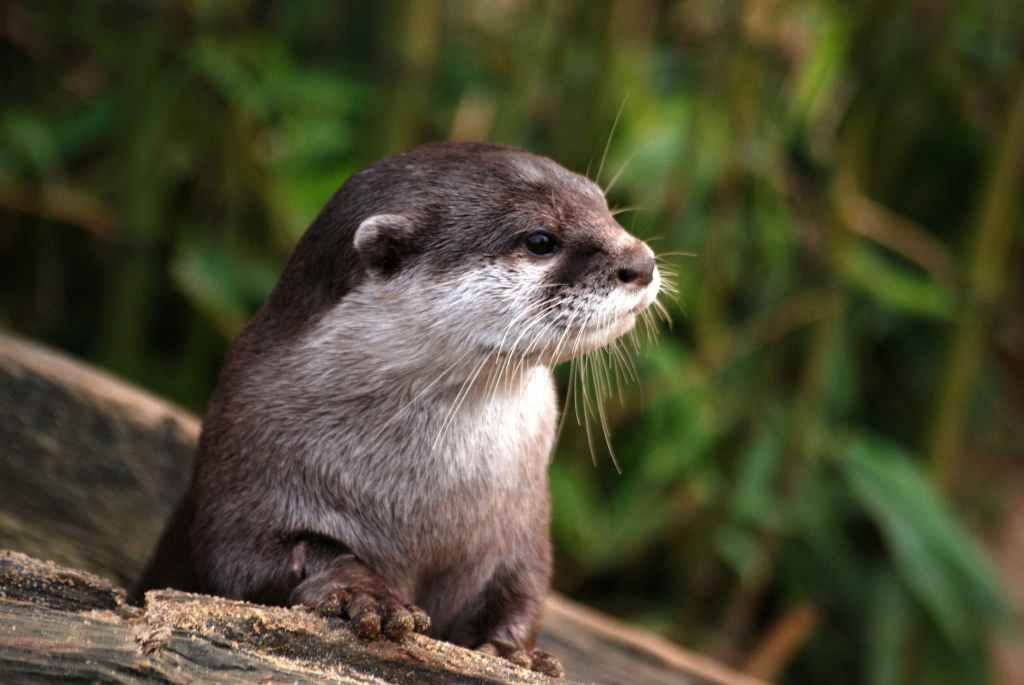
Two such groundbreaking projects include the Four Rivers for LIFE project and the LIFE Quaking Bog project. The former, sets its sights on the improvement and rejuvenation of four major rivers: Teifi, Cleddau, Tywi, and Usk. Designated as Special Areas of Conservation (SAC), these rivers are home to a plethora of remarkable wildlife and plant species, including the Atlantic salmon, lamprey, shad, otter, and water crowfoot. Despite their ecological significance, these rivers face formidable challenges, which has left their water quality severely degraded.
However, the project, using Nature-Led solutions such as re-introducing meandering sections to both enhance wildlife habitats but also mitigate downstream flood risks, seeks to improve an impressive 776 kilometres of river in mid and south Wales over four years. By fostering accessibility for migratory fish, enhancing habitats, and addressing water quality, Four Rivers for LIFE aims to ensure a sustainable and thriving future for these crucial ecosystems. Supported by an EU LIFE program grant and collaborations with local communities, farmers, and organizations, this project paints a promising picture of harmonious conservation efforts in Wales.
The latter project, a visionary five-year scheme supported by EU LIFE and the Welsh Government, and with just over £4.5 million allocated to it, targets the restoration of peatland and quaking bogs in Wales to ‘favourable’ conservation status. These unique habitats, known for their ground-shaking characteristic, play a crucial role in carbon storage and hold 30% of land-based carbon in Wales. Yet the Natural Resource Wales website states roughly 90% is in decline. With seven designated sites in focus, including the remarkable Crymlyn Bog, Swansea, LIFEquake endeavours to address adverse conditions, restore historical drainage, and promote sustainable grazing through the installation of extensive fencing.
The Welsh skies have also become a place in need of protection, especially for the majestic swift. Welsh swift populations have experienced a staggering 72% decline since 1995, largely a knock-on effect of, and sounding an alarm on the issue of insect decline. To address this pressing concern, numerous initiatives have been put into motion, including the installation of over 700 nest boxes on public and private buildings. Collaborations with local authorities, architects, and homeowners have amplified the efforts to safeguard these aerial wonders, ensuring they continue to grace the urban landscapes and enrich the lives of communities. Two organisations working hard for their protection include Wales Wildlife Trust and RSPB, who also have many useful tips on how ordinary folk can do their bit to support the cause. The year 2023 marked a significant milestone with generous investment from the Swire Charitable Trust, supporting the North Wales Wildlife Trust’s Swift Action project and propelling us towards a future where swifts continue to grace our skies and inspire future generations.
We will round our celebration of Welsh conservation off, with the captivating realm of butterflies. The Marsh Fritillary Conservation Project is dedicated to preventing the local extinction of one of the UK’s most threatened and iconic species. These beautiful butterflies were once a familiar sight throughout the UK, but their decline has been extensive and associated with a loss of marshy habitat. This pioneering endeavour involves collecting Marsh Fritillary caterpillars to establish a captive breeding and rearing program. If all goes well, thousands of these delicate butterflies will be released into the Upper Ely area of South Wales over the next four years, bolstering their shrinking numbers.
As Wales strides forward in its conservation journey, the dedication and passion of scientists, conservationists, and communities ignite a glimmer of hope for our planet’s delicate ecosystems. The tireless efforts undertaken to preserve the intricate web of life set a powerful example for a more harmonious coexistence between nature and humanity. Perhaps there is a cause that resonates with you or one you already support. We would love to hear your success stories. We may even feature you in our blog! Please feel free to contact us with information and maybe we can celebrate your efforts to preserve natures treasures!
 naturalecovision@gmail.com
Leave a comment