
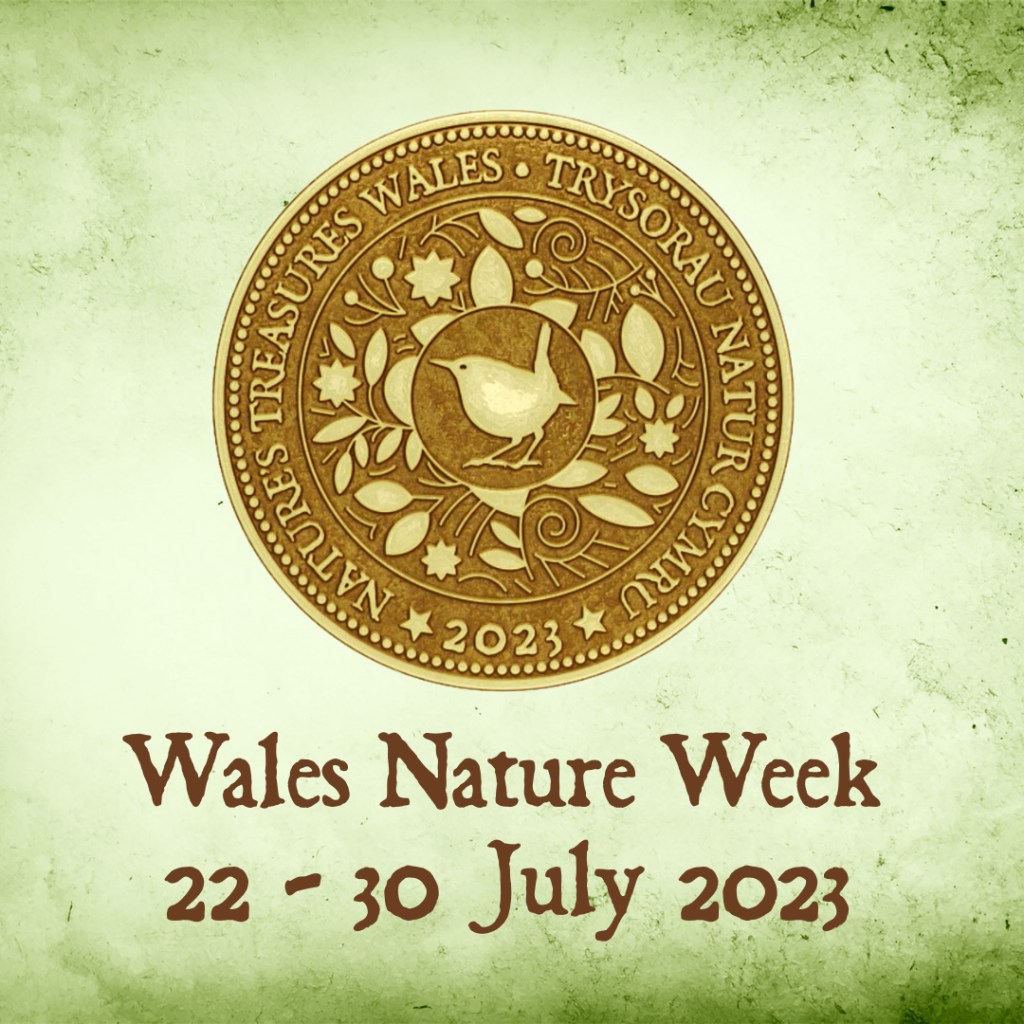
It’s Welsh Nature Week! A celebration of the breathtaking natural beauty and wildlife that grace the landscapes of Wales. From the rugged coastline along the Celtic Sea to the majestic peaks of Snowdonia, Wales is a land of enthralling scenery and rich biodiversity. This year’s week-long event, aptly themed ‘Celebrating Nature’s Treasures’, aims to showcase and raise awareness about the significance of preserving these invaluable natural treasures for future generations.
Here at Natural Eco Vision, we understand the profound importance of not just protecting, but enhancing the flourishing ecosystems, natural wonders, and remarkable species that Wales has to offer. Restoring the power of nature is after all, the ultimate key to solving the ever growing issue of climate change. So celebrating Welsh Nature Week has a special place in our hearts.
From the graceful soaring of the red kite against the sky to the playful otters along the riverbanks, Wales boasts a remarkable array of wildlife species that are as captivating as they are essential to the ecosystem. The coastal cliffs and islands of Wales are adorned with charming puffins, while the surrounding seas are graced by dolphins and porpoises. Not to be outdone, adorable Atlantic grey seals find solace on secluded beaches, nurturing their young in these sheltered havens.
However, the existence of these creatures is not without challenges. The delicate balance of Wales’ ecosystems faces threats from a growing range of issues. Habitat loss remains one of the most significant issues faced by Wales’ wildlife. The expansion of urban areas, agricultural development, and industrial activities often encroach upon the natural habitats of various species. As their homes diminish, many wildlife populations struggle to find suitable places to breed, forage, and seek shelter. This disrupts their natural behavior, migration patterns, and overall survival strategies, leading to declines in population numbers and even endangerment in some cases.
In addition, pollution poses a significant threat. Agricultural runoff, industrial discharges, and plastic waste contaminate waterways and soil, affecting the health and well-being of both aquatic and terrestrial species. Pollutants can disrupt reproductive cycles, harm immune systems, and bioaccumulate in the food chain, ultimately affecting not just individual organisms but entire ecological communities.
Perhaps the most far-reaching and complex threat to Welsh wildlife and ecosystems is climate change. Rising global temperatures, altered precipitation patterns, and extreme weather events have profound effects on the delicate balance of nature. Many species find it challenging to adapt to these rapid changes, as they may struggle to find suitable habitats or encounter disruptions in the timing of essential life events, such as breeding and migration.
This Welsh Nature Week, we strive not only to celebrate the wonders of our natural heritage but also to raise awareness of the urgent need to protect and conserve these invaluable treasures. Through responsible eco-tourism, community engagement, and collaborative conservation efforts, we can safeguard the habitats of these magnificent creatures and ensure their survival for generations to come. By sharing knowledge and fostering a deep appreciation for the incredible biodiversity of Wales, we can inspire action and preserve this precious legacy.
For the rest of this week, we will be talking about the many natural treasures Wales has to offer, highlighting some of the conservation efforts taking place and featuring some of the events planned to celebrate our natural heritage. In the meantime, you can visit https://www.biodiversitywales.org.uk/Wales-Nature-Week for more information to find out how you can get involved.
 naturalecovision@gmail.com
Leave a comment