
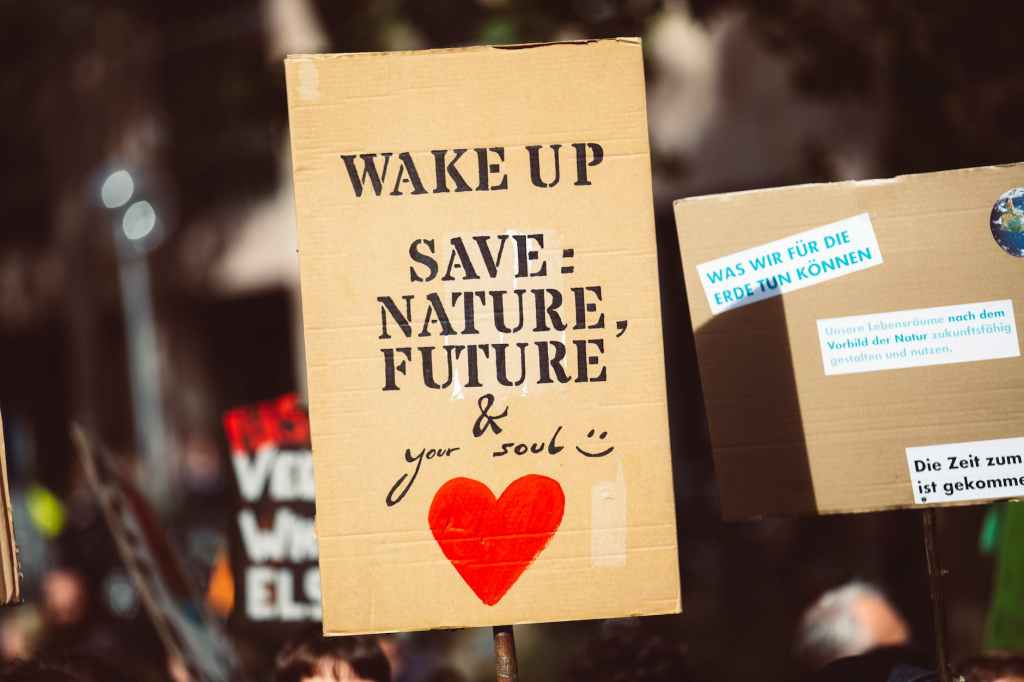
The world is facing a rapidly changing climate, and urgent action is needed to mitigate the impact of global warming. While there are many strategies for reducing greenhouse gas emissions, nature-led practices offer a particularly effective approach to combating climate change.
Why?
- Carbon sequestration: Trees, plants, and other natural systems are powerful tools for capturing carbon dioxide from the atmosphere and storing it in the soil, biomass, and other natural reservoirs. By protecting and enhancing these natural systems, we can significantly reduce atmospheric carbon dioxide and mitigate the impact of climate change.
- Biodiversity: Healthy ecosystems are more resilient to climate change and more adaptable to changing conditions. By preserving and enhancing biodiversity, we can help to ensure that ecosystems remain healthy and functioning, providing important services like pollination, water filtration, and carbon sequestration.
- Renewable energy: Nature-led practices, such as wind and solar power, offer a sustainable alternative to fossil fuels. By shifting towards renewable energy sources or suppliers, we can reduce our reliance on fossil fuels and help to reduce greenhouse gas emissions.
- Climate adaptation: Nature-led practices help to build resilience in the face of floods, droughts, and extreme weather events. For example, restoring wetlands and other natural systems can alleviate the impact of flooding and erosion, while preserving forests may help regulate water flows and reduce the risk of landslides.
- Health benefits: The health benefits of nature-led practices are well documented and include improved air and water quality, increased physical activity, and reduced stress and anxiety. In turn, this helps to reduce disease and improve the overall well-being of communities.
How?
- Forest restoration: Restoring degraded forests can help to sequester carbon, preserve biodiversity, and reduce the risk of wildfires and other environmental disasters.
- Green infrastructure: Incorporating green infrastructure, such as rain gardens, bioswales, and green roofs, can help to capture stormwater, reduce urban heat islands, and enhance biodiversity.
- Renewable energy: Investing in renewable energy sources, such as wind and solar power, can help to reduce greenhouse gas emissions and create a more sustainable energy system.
- Sustainable agriculture: Practices such as agroforestry, organic farming, and regenerative agriculture can help to sequester carbon, preserve biodiversity, and promote sustainable land use practices.
If we want to mitigate the influence of climate change, there are nature-led practices everyone can implement. By protecting and enhancing natural systems, promoting renewable energy sources, and building resilience to the impacts of climate change, we can create a more sustainable and resilient world and work towards a more sustainable future.
 naturalecovision@gmail.com
Leave a comment